
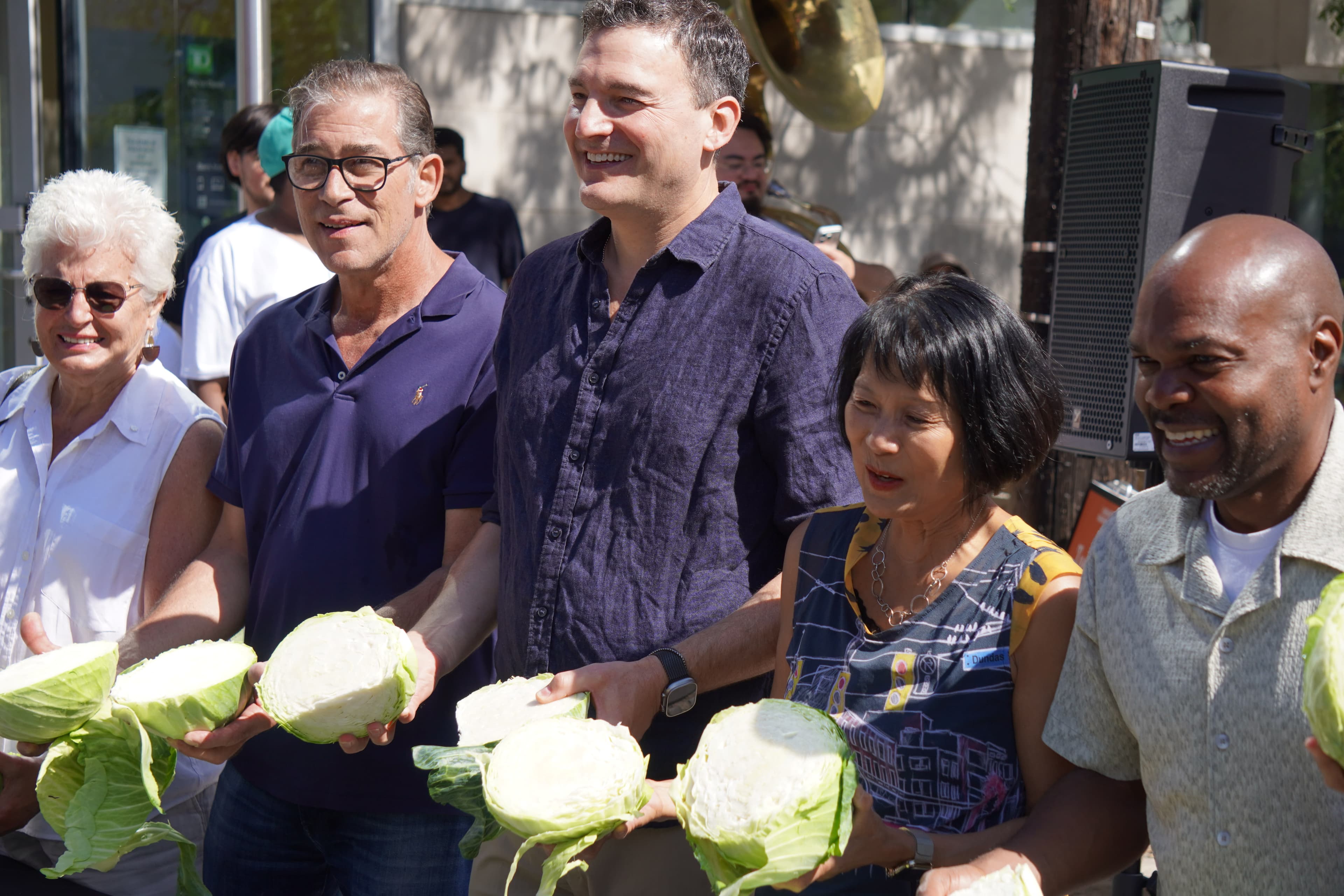
I recently attended Cabbagetown festival in Toronto. It is apparently, Toronto's longest-running street festival.
I went to enjoy the festival, cover a story for The Bridge, and of course, photograph the event. But somewhere between all of that, I couldn't leave the marketer in me at home. And you know what happens when a marketer attends an event: suddenly, even the placement of a stall gives you something to think about.
Between trying food, discovering small businesses and watching performances, I found myself thinking about what goes into making a neighbourhood festival worth spending an afternoon at. What makes someone stop at a stall? What keeps a family around? And what gives people a reason to return next year?
Cabbagetown gave me plenty of ideas. There was a lot to learn from walking through an event centred around celebrating the neighbourhood's history, diversity and community spirit. If you are planning a local cultural festival, community market or pop-up show, here are the details I would pay attention to.
1. A free kids' zone is non-negotiable
Relaxed parents are directly proportionate to happy kids.
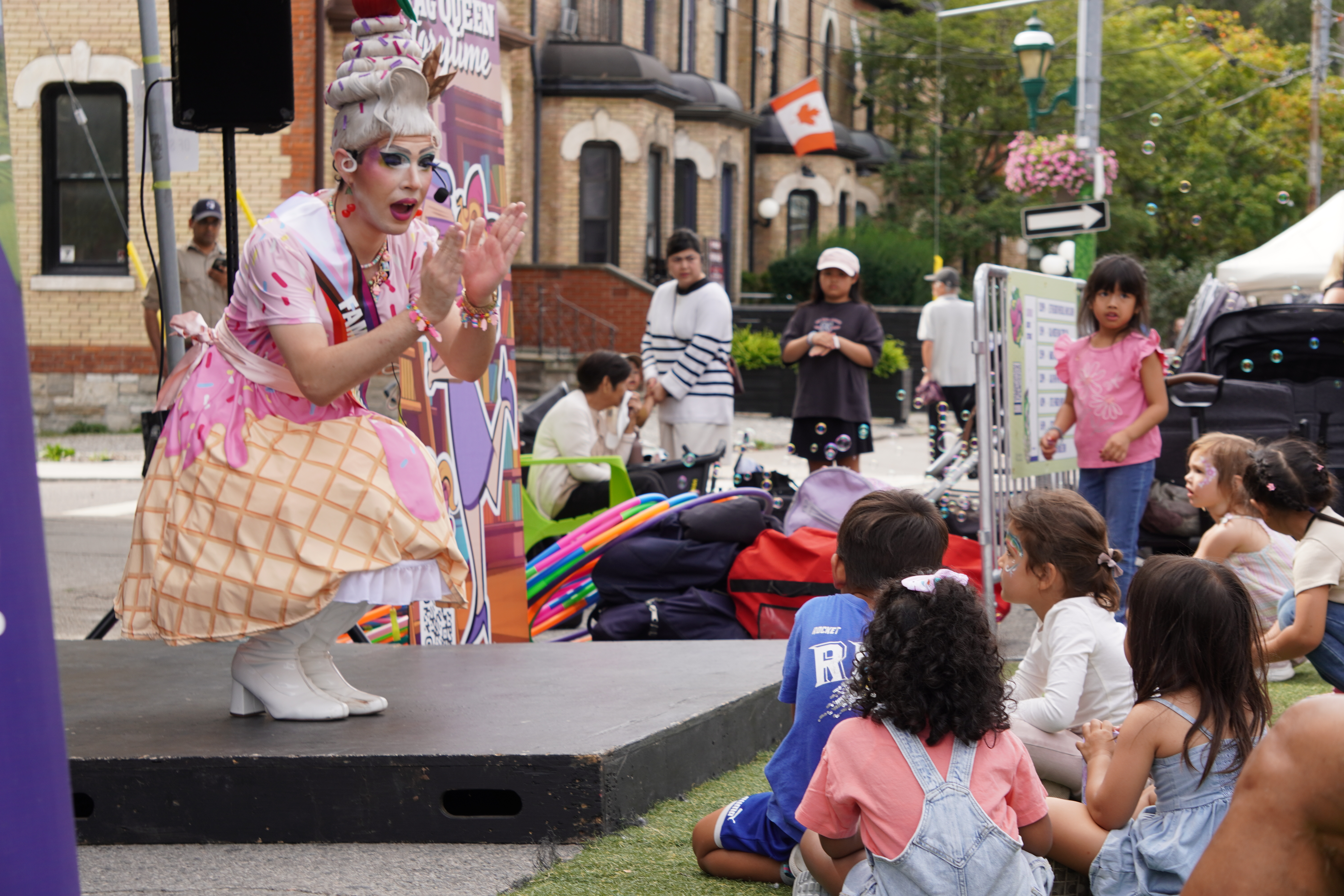
And parents do want their kids to experience the local festivals, *conditions apply*- festivals need to have kids friendly zones. A free kids' zone makes that outing a little easier, especially when food, transport and shopping already add to the cost.
Cabbagetown's 2026 festival had free Kids' Zone activities. It had a children's stage, crafts, face painting and other entertainment.
For a smaller event, you do not need to recreate all of that. A craft table, a storytelling session and a few games can give children something to look forward to. Offer different activities for different ages, including something quieter for children who find crowds or loud sounds overwhelming.
Place seating nearby so caregivers can rest while keeping their children in sight. Activities give families something to do together; they do not remove the need for a responsible adult.
If the budget is tight, ask a sponsor to fund the activities rather than charging families for every turn. You can reach to a kids book author to sponsor the storytelling or a kids brand to sponsor some games at the venue.
2. Food Brings People Together
And it is important to have local food that brings communities together.
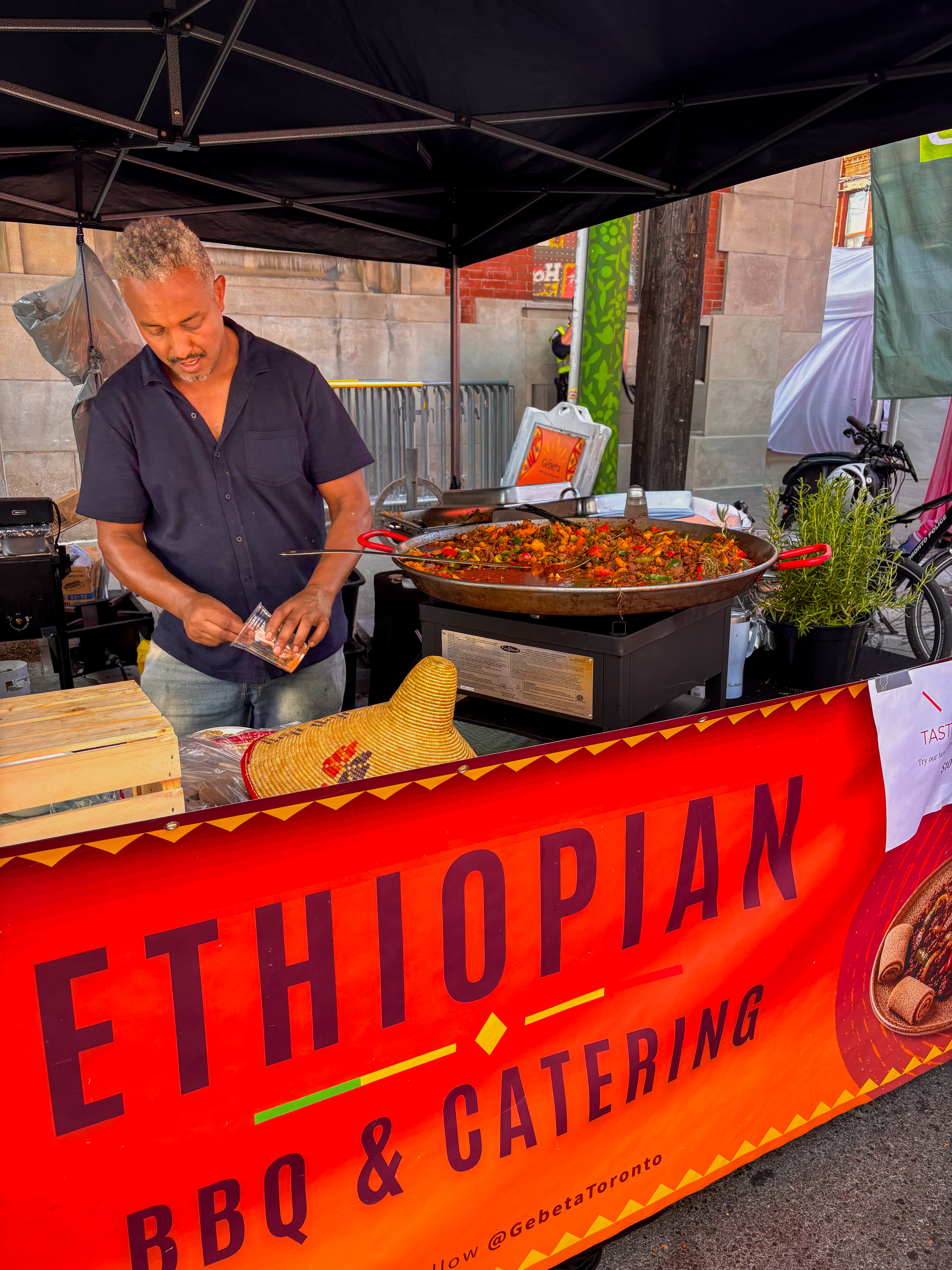
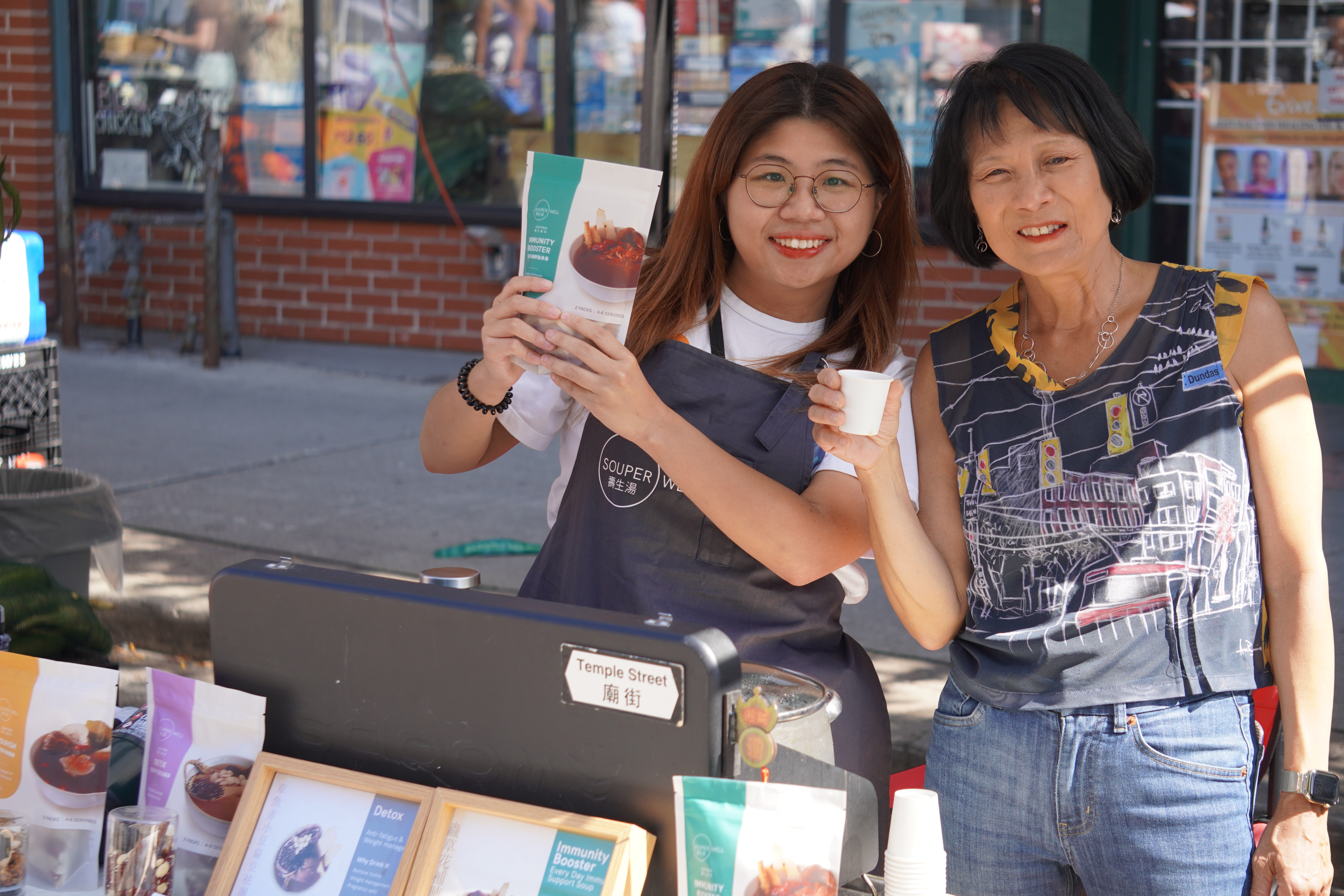
By "Local" I don't mean the food originated within the neighbourhood, city or province. At Cabbagetown fesival, I came across a Polish guy selling Pierogi, an Ethiopian guy serving Beef Tibs- a family owned recipe and a vendor selling Chinese herb soup. That made the festival interesting: different food, family recipes and traditions people bringing in to make others experience what they have to offer.
Invite neighbourhood restaurants, independent cooks and suitable food businesses from nearby cities. Give visitors a reason to try something they might not find on their usual lunch break.
Ask vendors to display prices and explain unfamiliar dishes with a short description. It can help someone feel comfortable ordering. As an organiser, put waste bins around- plenty of them!
3. Call The Small Businesses That Are Doing Things Differently!
One of the reasons I enjoy these festivals are the chance to find a business I would not have otherwise come across.
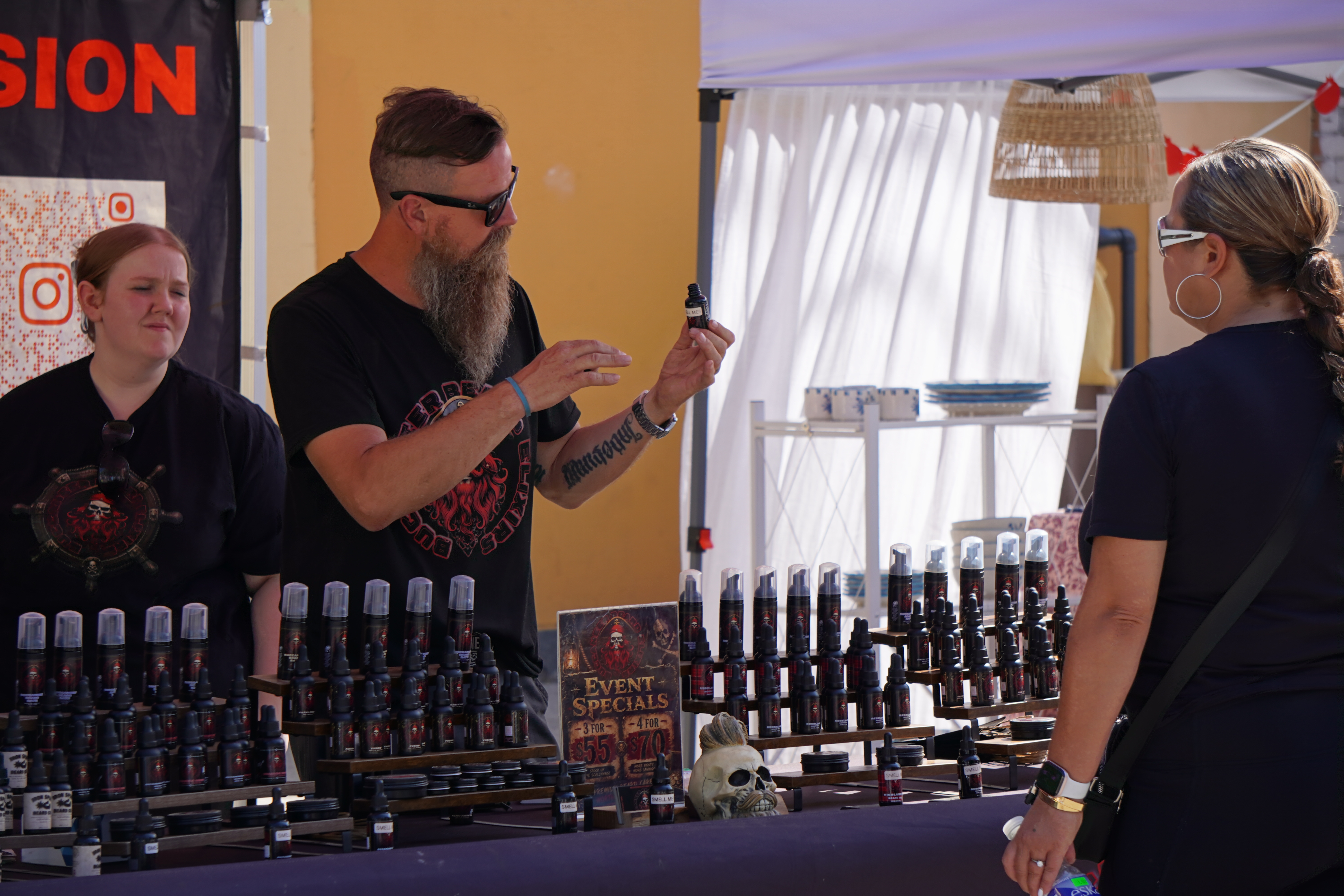
Delicious All Day Coffee was my one such find that is now converted to a full blown story! I also met a lady making soaps at home and selling them, with a range catered for people with eczamea. A guy carving wood to make wooden bodied pens, Jeremy and his wife making beard growth oil with different fragrance and suit different beard hairs, another couple making very cool graphic sweatshirts and hoodies, and the list goes on.
Consider makers who sell online, businesses that run from home and entrepreneurs who travel between markets.
Pricey stalls won't work for them. Have a separate lower stall fees, explain what equipment is included, power availability, loading times and cancellation terms before getting them on board. Consider a limited number of smaller or shared spaces for emerging businesses, if the venue allows them.
Curate a mix of products and prices. Too many nearly identical stalls make it harder for vendors to stand out and give visitors fewer reasons to keep browsing.
4. Street Performances Have Always Been A Part of Festivals
Since childhood, I haven't seen a festival without those street performances.
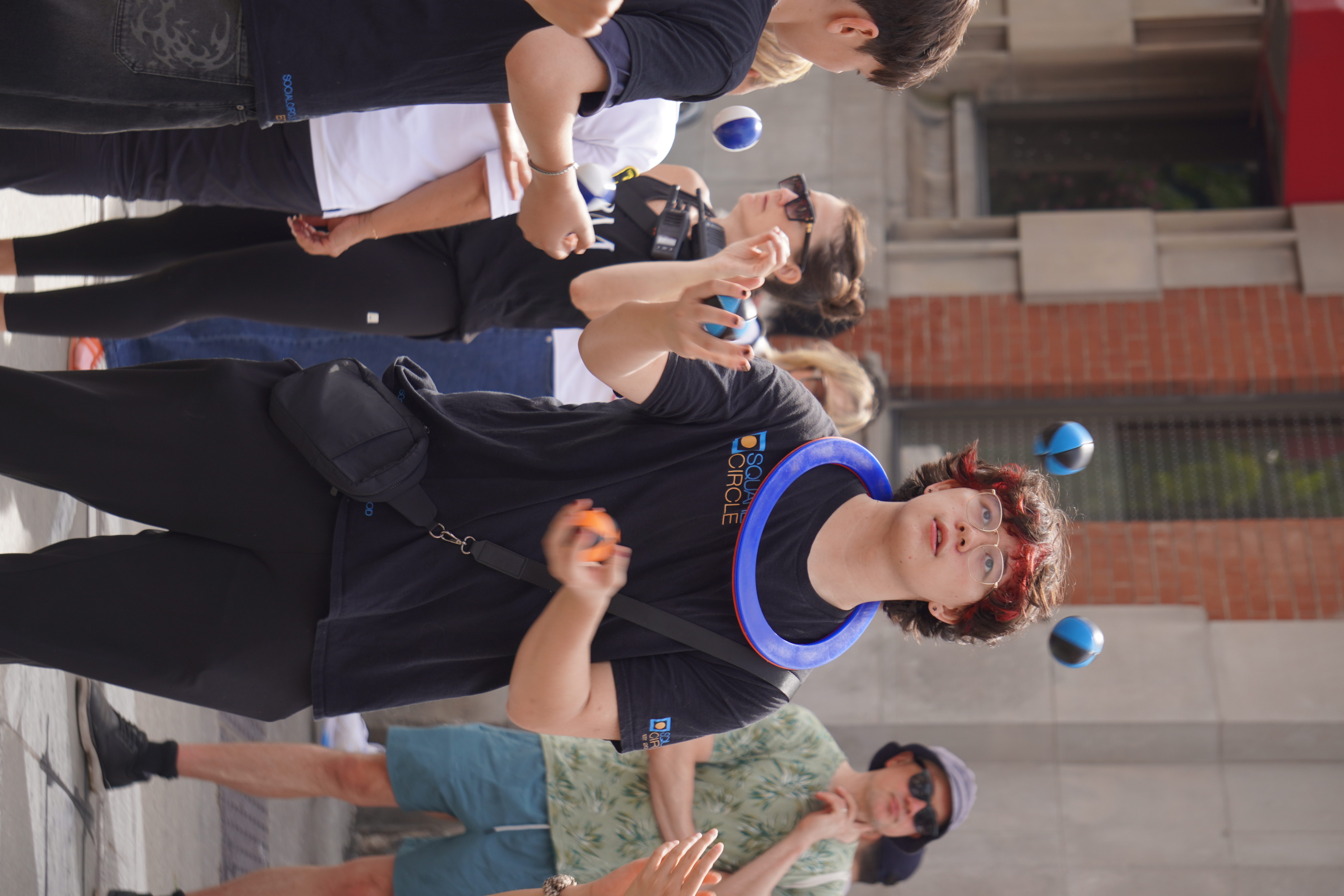
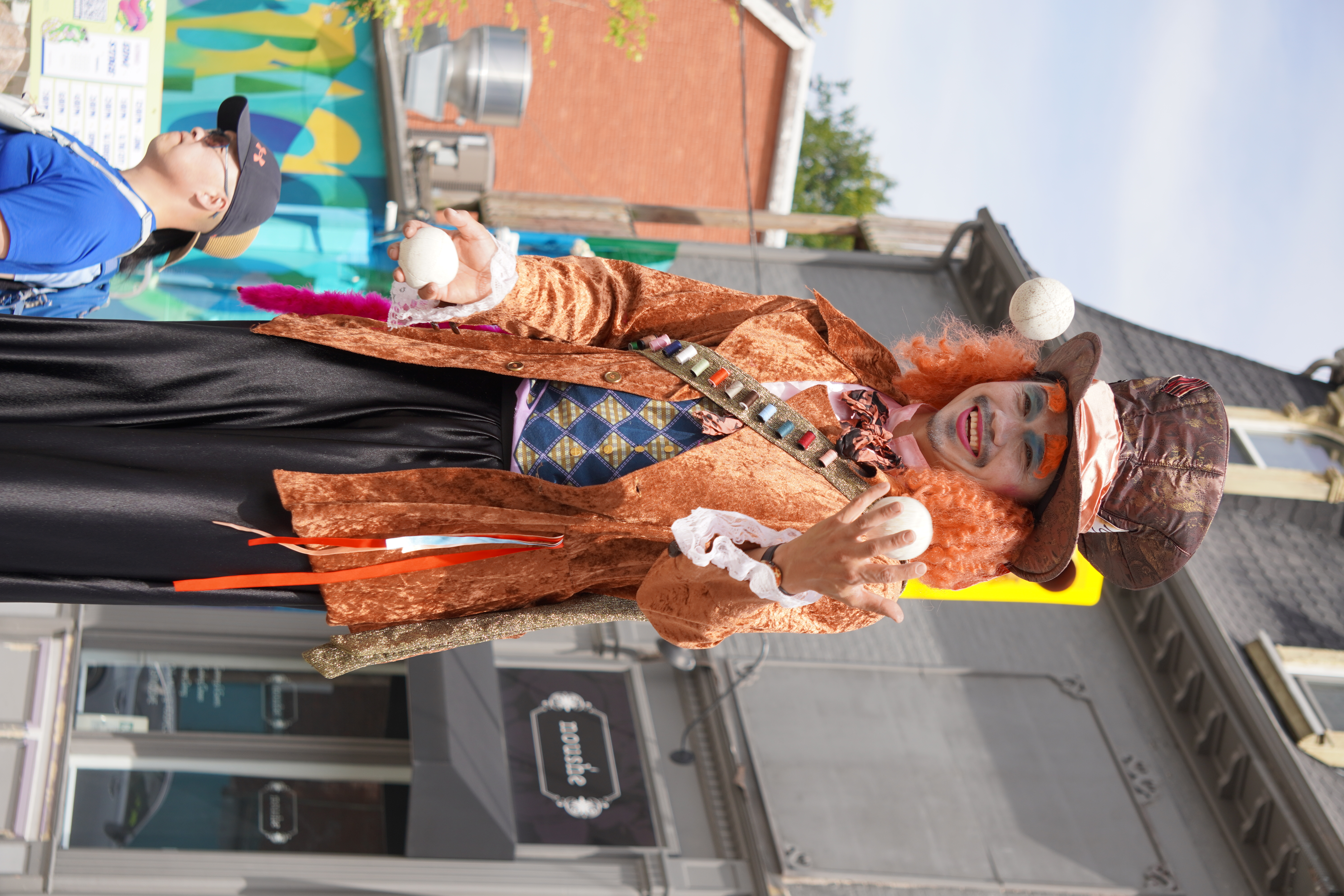
It makes walking between the stalls part of the experience. A juggler, musician or interactive act gives people a reason to pause. Children have something to watch and adults can join in.
Cabbagetown Festival had roaming stilt walkers and jugglers.
Most importantly, free entertainment for the audience still has a cost. Put artist fees in the festival budget.
5. A Stage for Local Musicians and Talents
Good music and talented performances are non-negotiable!
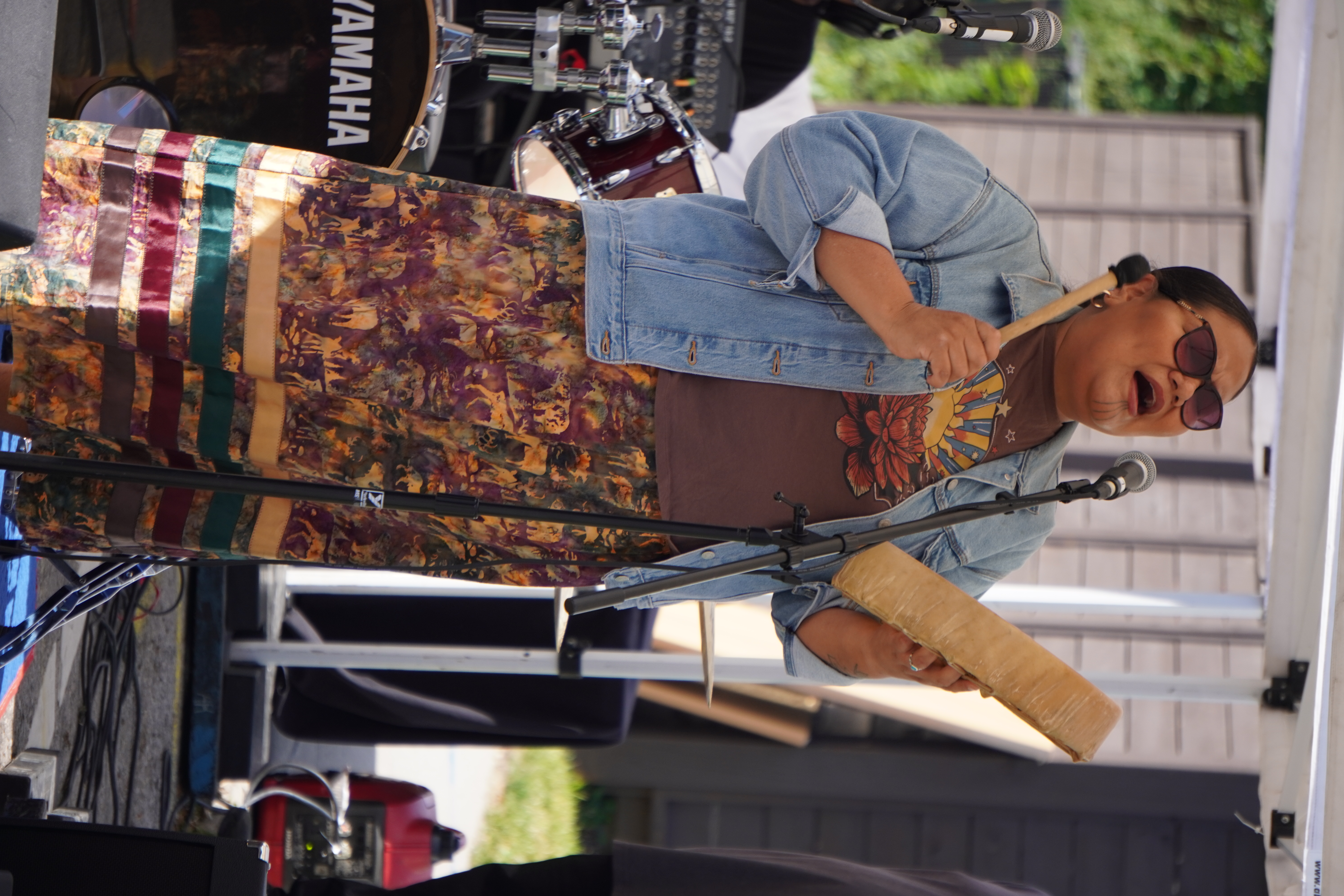
A local cultural festival is a good opportunity to introduce people to artists from their community. Cabbagetown's 2026 programme had separate Kids, EDM and Indigenous Celebration stages, alongside other music stages. Think about the audiences you want to welcome and the experiences you can offer them.
A small pop-up might only need one performance area. You can still schedule distinct sessions for families, an acoustic set and a livelier closing performance. Several stages are useful only if you have the space, staff and sound management to support them.
6. Invite Local Representatives to Participate
A visit from a councillor or mayor can help motivate the people behind a community event.
Cabbagetown festival had Mayor Olivia Chow as the person leading its ceremonial cabbage-cutting along with other city councillors.
If you invite a representative, give their visit some purpose beyond a photograph. Suggest a short walk through the stalls, introductions to local makers and time to speak with residents and volunteers.
7. Draw the Site Map before selling every Stall
Leave enough space for people to enjoy what you have planned.
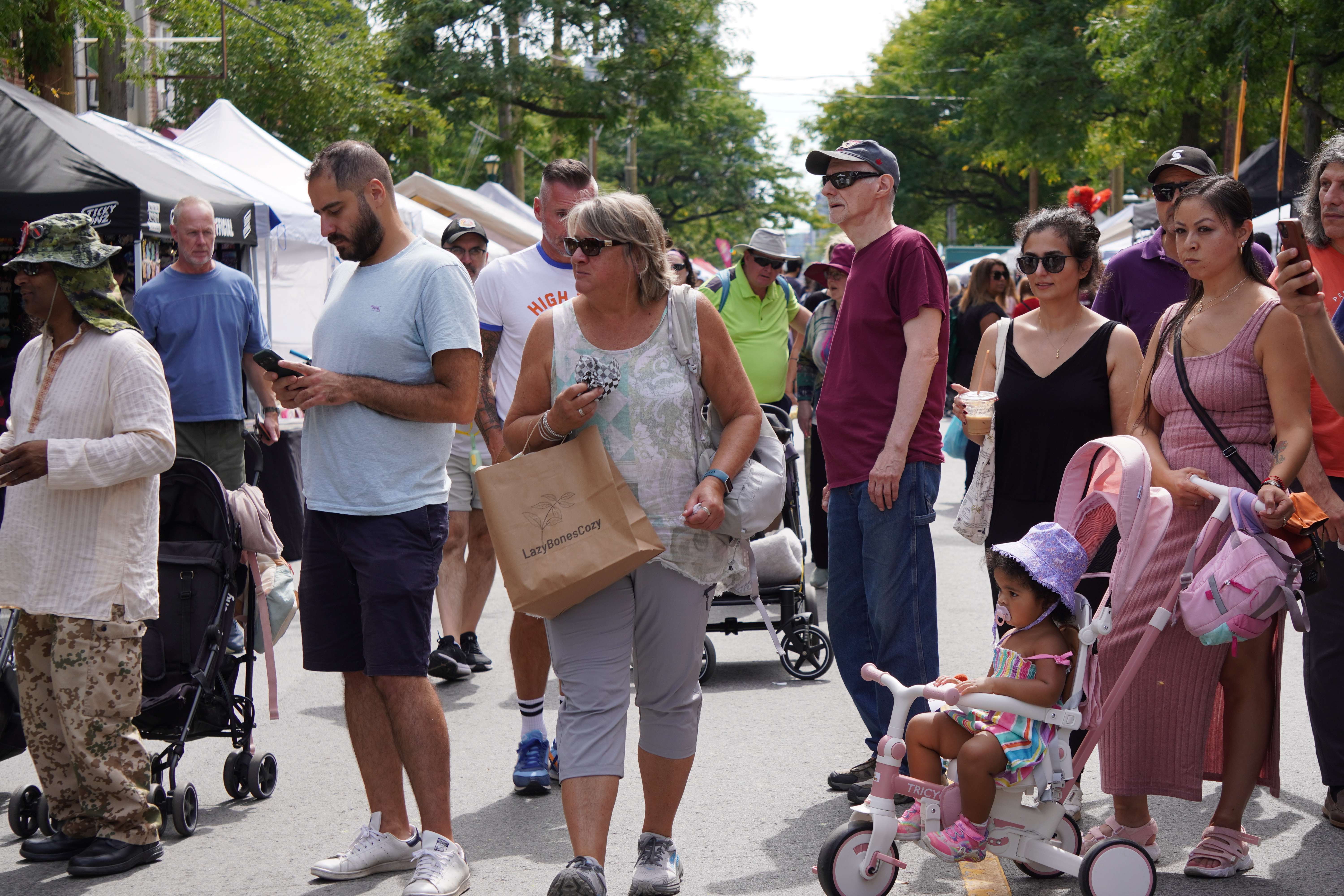
Your festival map should account for entrances, exits, queues, performance audiences, seating, washrooms, drinking water, first aid and waste collection. Keep emergency routes clear and check the layout with the relevant venue and authorities.
Think through ordinary moments. Where does someone stand while waiting for food? Can another person get past with a mobility aid? Where can a caregiver sit? Will a crowd watching a show block the next stall?
Build accessibility into these decisions. Check step-free routes, surfaces, accessible washrooms, viewing options and readable signs.
Publish practical access information before the event, including any limitations and a contact for questions.
8. Promote The Reasons To Visit
A poster saying "food, music and fun" leaves plenty of questions unanswered.
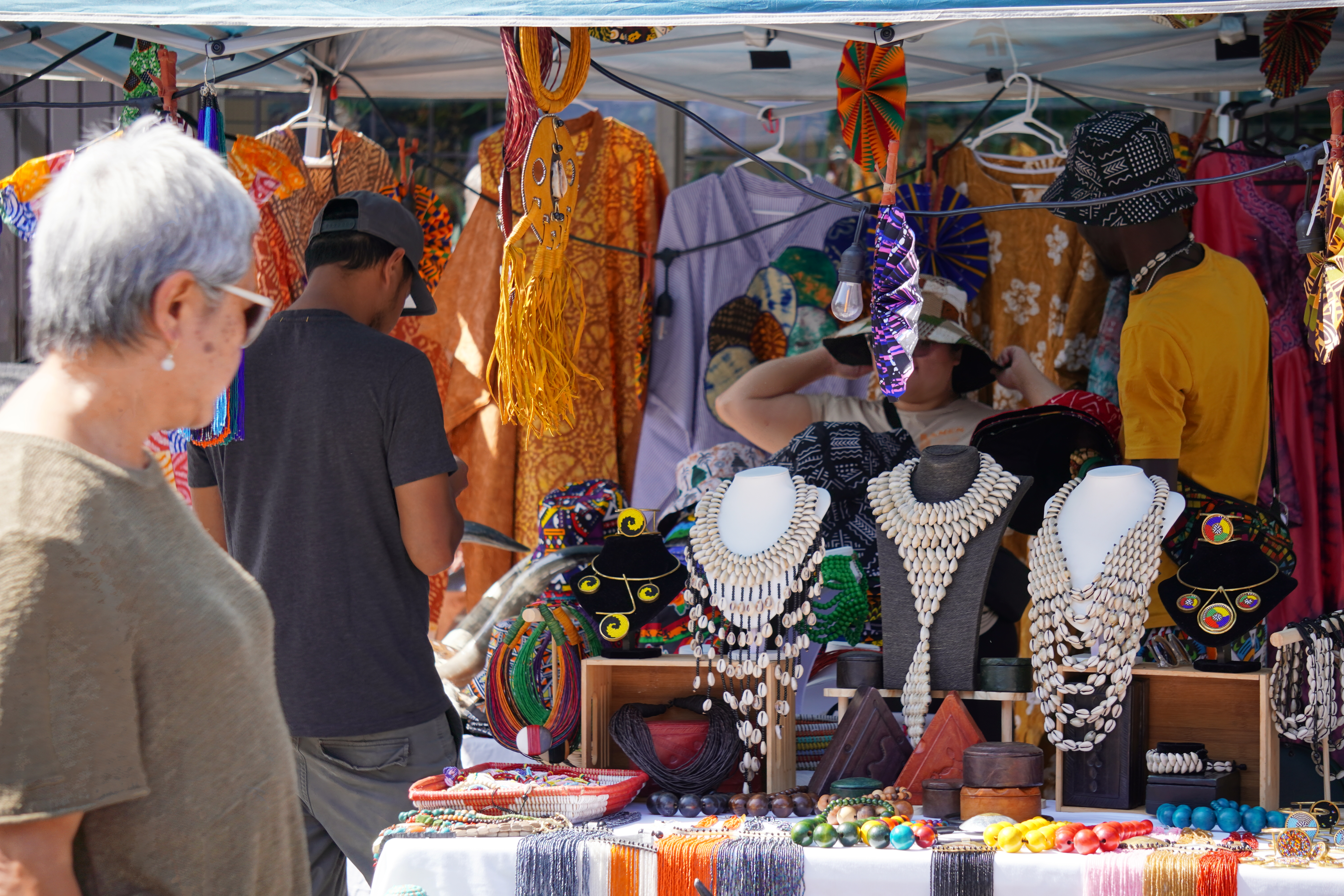
Show people what they can actually do: meet a maker, try a particular dish, attend a free children’s activity or hear a local artist. Introduce vendors and performers before the event so visitors can make a small plan of their own.
Maintain one reliable event page with:
- The date, opening hours and exact location.
- Admission details and which activities cost extra.
- The programme, vendor list and site map.
- Transit, access and washroom information.
- Weather updates and a contact for questions.
Use the same details across your social posts and give participants ready-to-share material. Ask neighbourhood publications, community groups and relevant local organisations to help spread the word.
After the event, keep a vendor directory available. Someone may remember a sweatshirt or a food stall days later and want to find that business again.
Ending Note…
For me, a successful local cultural festival is one where people have reasons to stay, businesses have a fair chance to be discovered, and the neighbourhood feels considered throughout.
What has made you stay longer at a local festival, or decide you would not return? I would love to hear what you noticed.