
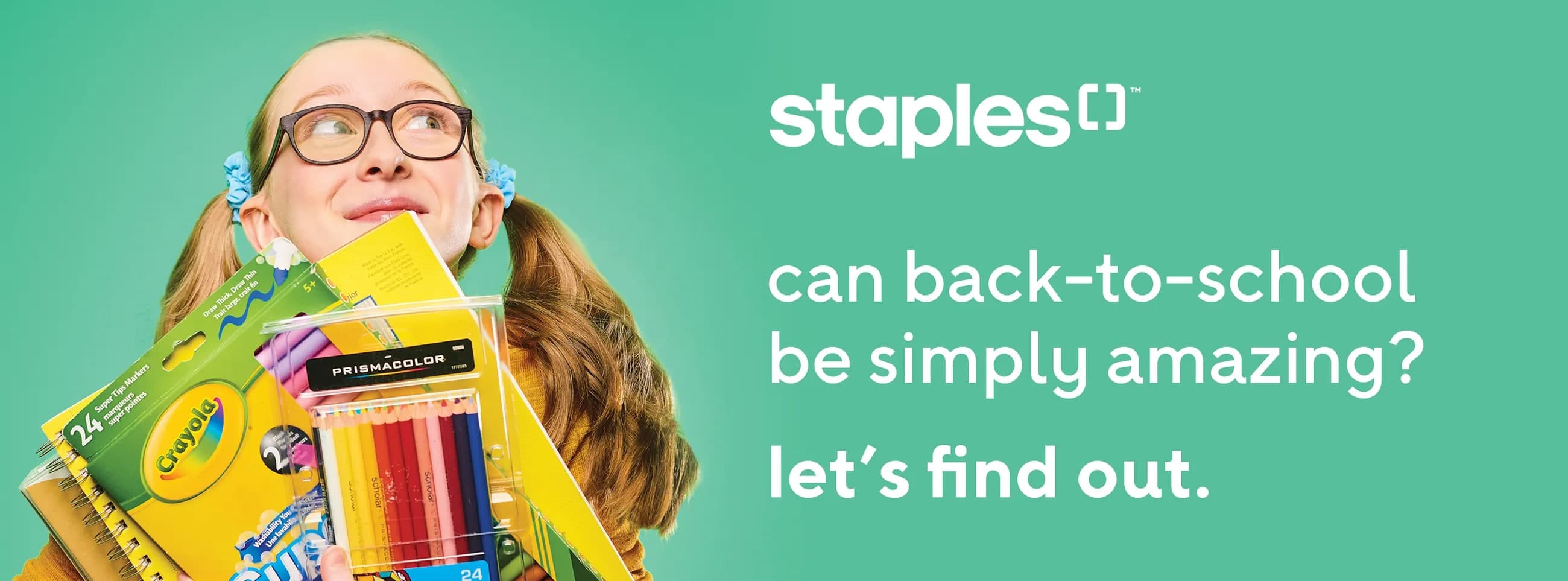
I still remember the idea of September from my childhood. September meant the start of all the major festivals in line- Ganesh Utsav, Navratri, Dussehra, and Diwali. Of course, these are also the times when I shop a lot and don’t mind those extra calories. Cut back to my year in Canada. I live in Downtown Toronto and decided to step out to soak up that summer sun for the last few days. I crossed the usual Michaels, Marshalls and Dollarama in my neighbourhood. This was at the end of August, and I witnessed a lot of retractable banners outside these stores displaying their “back to school” products. All the products on display were screaming “back to school” discounts and savings. I am not a parent, but I am a Marketer, and I observe everything around. So if you are wondering what’s so different about this display that caught my eye, it is this entire idea of monetising on your nostalgia, which became a brand’s new marketing strategy.
The entire concept of Back-To-School campaigns by brands is to give an urge to students to stock up before the chaos hits. I stopped by the Dollarama store and couldn’t help but pause at the aisle dedicated to affordable pencils, glue sticks, and lunch boxes, all priced under $5. This entire experience got me thinking, this isn’t just shopping; it’s a cultural event.
As a seasoned marketer, I’ve seen how the “Back to School” campaign turns a simple seasonal shift into a multi-billion-dollar powerhouse, especially in Canada, where the school year kicks off with a nationwide bang.
The Backstory and What “Back To School” Campaign Is All About!
Let me set the stage for you properly. In Canada, the school don’t just start after a long summer vacation. It is apparently the second-largest retail event of the year. According to Data, this entire time period, from July to early September, was responsible for sales of approximately $4 billion in 2025. From coast to coast, parents, students, and even teachers dive into lists of essentials: everything from basic supplies like pens and paper to tech gadgets, clothing, and dorm decor for university-bound kids. What started as a practical necessity has evolved into a full-blown marketing extravaganza, fueled by peer pressure and the consumerist economy, making savvy shopping a must. Drawing from my own observations of Kids around Toronto, I’ve seen them wearing limited-edition sneakers and carrying cool water sippers, as well as stores selling teenage skin care kits.
As I observe it through a marketer’s eyes, it’s a prime opportunity to blend urgency with aspiration. Brands capitalise on the parental desire to equip kids for success, and Kids want to appear cool in their circle, both while navigating budget constraints.
Breaking Down The “Back-To-School” Campaign
This campaign is a masterclass in seasonal marketing strategy. It thrives on scarcity (limited-time offers), emotional storytelling (nostalgia and peer pressure) and cross-promotions (influencers) to drive foot traffic and increase sales.
These are the campaigns that often highlight “one-stop-shop” convenience and bundling products to reduce decision fatigue for busy families. Surveys show that over 90% of Canadian parents plan Back to School shopping, with many turning to big-box stores for affordability.
Digital integration has been key too- think targeted ads on social media, email newsletters with personalised recommendations, and influencer partnerships showcasing “must-have” hauls.
Take, for instance, two of the most prominent players in this space: Dollarama and Marshalls. The stores I observed closely to take them as a case study for this blog.
Dollarama
Dollarama- the budget dollar store of Canada turns into seasonal merchandising starting in July. They stock up on school essentials (binders in every colour, pencil crayons, markers, erasers, and glue sticks), sippers with famous cartoon character prints, caps with cool labels, lip smackers in every colour, etc. What’s their genius? They lean into their core strength: unbeatable value.
The campaign isn’t about selling a lifestyle; it’s about solving a problem for parents. They know the average school supply list is long, and the costs add up. Dollarama’s marketing message is “You can get everything on this list without breaking the bank.” They offer multi-packs of pens for a few dollars and “starter packs” of essentials, appealing directly to the parents’ need for convenience and affordability. This is a strategic positioning that builds brand trust with a specific and very large demographic.
Marshall’s: Curating the best “back to school” look
On the other end of the spectrum, you have a store like Marshalls. Their approach is entirely different. They’re about the emotional, “cool” purchases. Their campaign revolves around the aspirational “back-to-school look.” I’ve seen them promote everything from trendy backpacks from well-known brands to stylish shoes and “dorm room essentials” for college students.
Marshalls’ marketing understands that for many, back-to-school is a chance to reinvent themselves. Their campaign, often showcased through in-store displays and social media, is less about price and more about discovery. You might not know what you’re looking for when you walk in, but you’ll likely find a unique jacket or a designer notebook that will make your first day back feel special. They are selling self-expression and identity, not just products.
My Take As A Marketer
In my opinion, the “Back To School” campaign is something every Marketer can learn from. It is the right opportunity, at the right time and at the right place. Also, perfect for boosting Q3 sales when retail might lag otherwise. Get parents hooked on deals and attract students by showcasing how they can rebrand themselves in school after vacation.
For fellow marketers, here’s my advice:
- Embrace Omnichannel: Don’t just rely on stocked shelves. Integrate in-store experiences with apps for virtual try-ons or AR previews of backpacks.
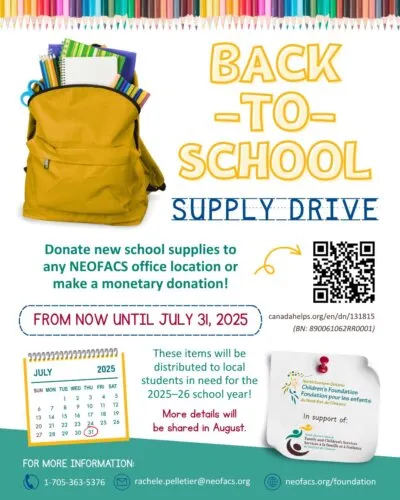
- Personalisation Is The Key: Use data to tailor emails and tie campaigns to causes. Like Staples’ fundraiser for undeserved kids. This builds emotional bonds beyond transactions.
- Sustainability: Highlight reusable products or eco-friendly lines to appeal to Gen Z and millennial parents.
- Leverage User-Generated Content: Encourage shares of “haul” videos on platforms like Instagram or TikTok, as seen with Dollarama’s snack and supply finds. It’s free amplification with real credibility.
- Time It Right, But Don’t Overdo It: Start mid-summer to capture early birds, but ramp up urgency in late August. Monitor fatigue. Shorter, punchier campaigns often outperform prolonged ones.
Back to School is more than a sales spike; it’s a reminder of marketing’s power to weave into everyday stories. And witnessing this first hand, I’m reminded that the best campaigns don’t just sell products- they sell possibilities.
What’s your take on this seasonal ritual?